The world has been racing toward a more digital-first existence for some time now, and many believe we’re actually most of the way there already. One of the key components of that existence is a digital financial system, but Bitcoin and cryptocurrencies have already shown us that the concept is certainly viable. Like it or not, the world is shifting in a more digitized direction, whether we like it or not.
Digital nomads have caught onto that fact and already embrace it. With digital nomadism now spreading across the world, even Texas, as stuck in its ways as this state can be, has had to come to grips with this new trend. In fact, given its business-friendly climate. Texas is actually fast becoming a very attractive destination for digital nomads.
In recent years, Texas has begun shedding its often stereotypical and often maliciously politicized image. Far from a backward-thinking state full of bigotry and hostility to anyone who isn’t from there, Texas is actually a very welcoming state. The difference lies in its culture, one that outsiders are expected to respect. Respect Texan traditions and values and most Texans are actually far more friendly and accommodating than movies would have you believe.
In terms of online lifestyles, digital nomadism isn’t the sweeping trend. These days, people do everything online. We shop through eCommerce sites and watch movies on streaming platforms. We meditate with apps, cook using video tutorials from social media, and read e-books. Even gaming has changed.
These days, the kind of casino offers available in the US has skyrocketed thanks to online platforms. Most US players turn to these sites because of their generous bonus offers. These augment bankrolls and give players a way to try playing without pressure. As a result, more and more US players are turning to digital casinos over physical ones.
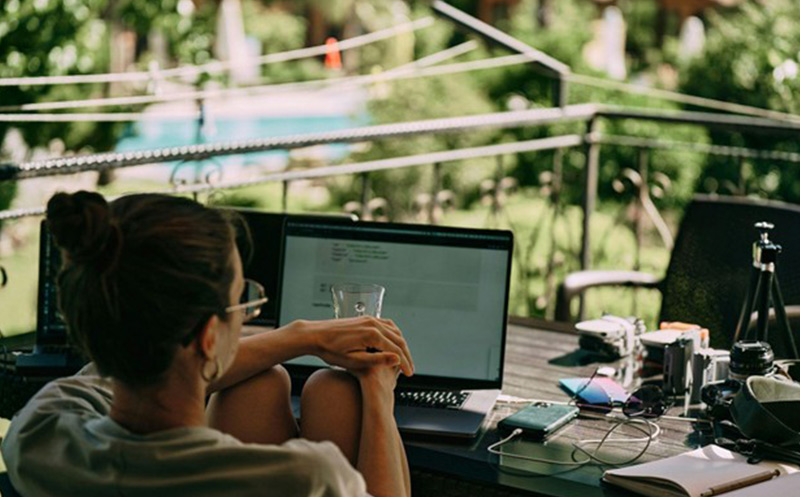
It’s in this kind of climate that digital nomadism has become a massive draw. More and more modern people want the freedom of being able to work from anywhere while traveling, visiting, or living anywhere they want. Although it may not seem like it on the surface, Texas is becoming a popular destination for this lifestyle. Attracted by the state’s more equitable cost of living, lower taxes, and more welcoming business climate, many now find Texas a far better fit than major cities like New York or Los Angeles.
Put off by the untenable rent prices and cost of living expectations in major metropolitans, Texas represents a modern oasis of more logic-based living. Large cities like Dallas are always seeking ways to improve city efficiency and offer fast internet access across residential areas and public spaces. Remote workers can set up shop in cafés, shared work centers, or apartment lounges without dealing with slow connections.
Apartments often come with larger floor plans, which helps workers who use dual monitors, studio gear, or large desk setups. Lower living costs give nomads breathing room to take risks on new contracts or creative projects. The ability to build savings while traveling between cities brings long term value to people who rely on flexible income.
Some nomads want cities with personality rather than uniform living. Texas offers a range of styles that can match different rhythms. A remote worker who craves nightlife and live music might choose Austin. Someone who prefers a polished business center might look toward Dallas. A person who enjoys diverse food scenes and cultural traditions may settle in Houston.
The state’s outdoor spaces add another layer of appeal. Many remote workers spend long hours in front of screens and need variety during breaks. Texas offers large parks, riverside paths, and quiet trails that help people reset during lunch breaks or early mornings. A simple walk along Lady Bird Lake or a short hike at a state park near San Antonio can help workers clear their minds before returning to tasks.
Coworking spaces continue to grow across Texas. These spaces attract freelancers, founders, consultants, and creatives who want company during the week. Shared rooms give people the chance to meet others who understand remote work challenges. Conversations lead to contract opportunities or local friendships. Nomads often say that these shared rooms help them adjust to new cities faster than expected. Some stay for a few weeks while passing through. Others build long term routines.
Digital nomads often arrive expecting a temporary stay yet remain longer than planned. The mix of space, culture, and steady opportunity makes Texas a strong choice for people who build their own paths while staying mobile.