
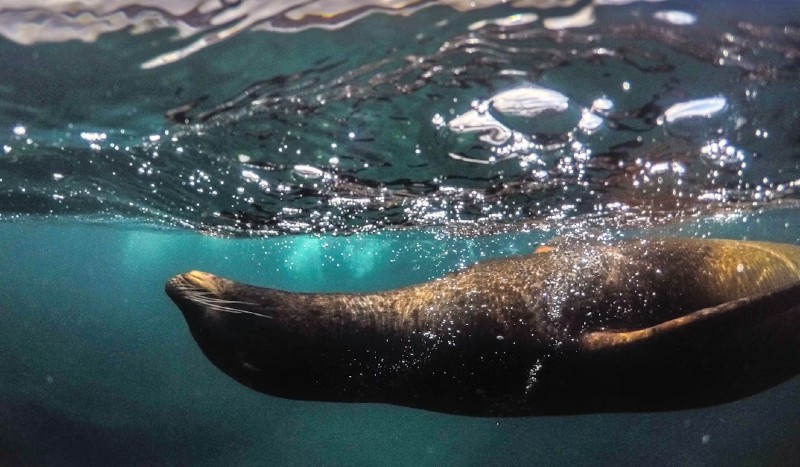
Southern America is nothing short of amazing. In Ecuador, the Galapagos stands out like a wild gem, packed with sights that feel straight out of another world.
Here, adventure seekers get a thrill that’s hard to match. Adrenaline junkies find challenges that wake the senses, and avid explorers see ecosystems that defy expectation.
Think unique wildlife and marine species. Picture pristine beaches and iconic volcanic landscapes seldom seen elsewhere. It’s home to some of the most remote, rarely encountered jewels of nature.
But a visit there isn’t your average trip. It requires careful planning.
Here’s a rundown of tips to get there without the stress, the guesswork, or the missed connections.
Best Flight Routes from DFW to the Galapagos
Most travelers fly from Dallas to Quito or Guayaquil, then connect to Baltra or San Cristóbal.
Flights run daily through carriers like:
- American
- LATAM
- Avianca
Quito offers scenic Andes views and more culture, while Guayaquil cuts flight time. Early arrivals help buffer delays, because Galapagos-bound flights depart mornings from mainland Ecuador.
Choosing Between Quito and Guayaquil for Stopovers
Quito sits high in the Andes, perfect for travelers who enjoy altitude, culture, and cobblestone charm before flying onward. Guayaquil sits lower near the coast, known for its shorter flight time and easy airport transfers.
But a plane can only take you so far into this fun-filled national park best explored by sea.
Dedicated LATAM flights to Baltra or San Cristóbal connect smoothly with Galapagos cruises, whose guides say match itineraries, ship sizes, and landing sites to each traveler’s comfort and pace.
Timing Your Visit Around Wildlife Seasons
Imagine visiting Africa’s Maasai Mara outside of The Great Migration’s peak (July-October). The Galapagos works the same way.
Each month highlights different animal behaviors.
January to March brings nesting sea turtles and calm seas. June to November sees whales and blue-footed booby dances. Travelers chasing active wildlife often plan around these cycles for the best viewing.
Booking Windows and Smart Reservation Tips
A Galapagos trip is not like the few hours’ drive to the Big Bend National Park or the nearest coast getaway. It needs lead time. Flights and park permits often fill months ahead.
For the best experience:
- Book flights and cruises six to nine months early.
- Confirm inter-island transfers together.
- Check seasonal park rules.
Early coordination avoids missed links and last-minute surprises.
What to Pack for Island Excursions
Packing light makes every transfer easier. Galapagos boats limit luggage, so smart choices matter.
Some essentials:
- Reef-safe sunscreen.
- Lightweight rain jacket.
- Water shoes.
- Quick-dry clothing.
- Binoculars.
Each piece earns its spot. Salt spray, sun glare, and unpredictable showers shape every day.
Compact, durable gear helps you stay comfortable from deck to trail.
Handling Motion on Pangas and Wet Landings
Ocean swells catch even steady travelers off guard. Pangas –the small inflatable boats used for landings– can rock more than expected.
A light meal and motion wristbands help. Keep gear dry in sealed bags and wear quick-dry shoes. Guides time landings carefully, so patience keeps everyone steady and dry.
Understanding Permits and Park Guidelines
Every visitor must follow strict park rules to protect fragile ecosystems. Licensed guides accompany all landings and help keep groups small. Each island has a daily visitor cap to limit impact.
A travel guide also ensures safety when currents shift or wildlife crosses paths. Respecting these rules keeps the islands thriving for generations.
Traveling to the Galapagos takes patience. It requires care and respect for nature. The reward? Unmatched perspective. Every choice, from timing to packing, shapes how deeply you connect with its remarkable living world.